13 Liter Briefcase: Is That Enough for Daily Work Carry?
A 13-liter briefcase can be enough for daily work carry—but it depends less on the number printed on the product page than on what you actually bring to the office. A laptop, charger, notebook, phone, keys and a few small essentials are a realistic fit in a well-organized 13 L bag. Add a bulky lunch, gym clothes, over-ear headphones, a water bottle and a stack of papers, and the same bag may feel cramped by Tuesday.
Think of 13 L as a compact daily-commute-bag size, not a do-everything tote. It suits a streamlined routine and rewards a little editing. Before buying, compare the bag’s actual dimensions, pocket layout and weight with your laptop and chargers. Capacity is useful shorthand; it is not a guarantee that your particular setup will fit comfortably.
What 13 L means in everyday use
Liters measure volume, not the shape of the space. Two briefcases listed at 13 L can carry differently: one may have a broad main compartment, while another uses room for padded laptop storage, dividers and exterior pockets. A rigid frame can also limit how much the bag flexes around oddly shaped items.
That is why a capacity figure is best treated as a starting point. Check the external dimensions and, where provided, the laptop sleeve dimensions. External measurements tell you whether the bag will sit comfortably under a desk or on a crowded train; the sleeve’s measurements tell you more about laptop fit. Leave a little room rather than assuming a sleeve that matches your computer’s advertised screen size will fit it snugly.
Carry item What to check How it affects a 13 L bag Laptop Actual device dimensions and sleeve dimensions The sleeve can take up a meaningful portion of the main compartment. Charger and cables Brick size, cable length and whether they have a dedicated pocket A large power adapter can be more awkward than the cable bundle itself. Notebook or documents Paper size and whether the bag has a flat divider Documents travel neatly when they have a protected, full-width spot. Water bottle and lunch Internal width, bottle-pocket design and leak protection These are common reasons a compact briefcase starts to feel crowded. Headphones and small essentials Whether pockets are usable without stealing space from the laptop Good organization can make modest capacity feel more generous.Who is likely to get along with 13 L?
The capacity usually works best for someone whose workday has a predictable kit: laptop, charger, phone, notebook, wallet, keys and perhaps a compact pair of headphones. If your office has monitors, a keyboard and supplies waiting for you, there is less reason to carry extras back and forth. The https://moneyinc.com/the-12-best-luxury-gifts-for-men-who-have-everything-in-2026/ same is true if you commute by train or on foot and prefer a lighter, less bulky bag.
It is less forgiving if your bag is also your gym locker, lunch cooler and overnight kit. Frequent travelers may want room for a change of clothes, travel documents and larger accessories. A 13 L briefcase can still be part of a travel setup, but it may work better as a personal-item-sized work bag than as the only bag for a trip.
A quick test before you order
-
Lay out everything you carry on a normal workday—not the idealized version of your routine.
-
Measure the largest items, especially your laptop, charger and water bottle.
-
Compare those measurements with the manufacturer’s published dimensions and fit notes.

-
Think about access: a bag can technically hold your gear and still be irritating if you have to remove the laptop to reach your keys.
-
Check the return policy before buying, so you can test the packed bag at home without guessing.
This is more reliable than judging a bag from a styled product photo. A briefcase photographed with a slim notebook and phone can look spacious; your laptop and chargers are the less glamorous test.
Daily-use upgrades beat novelty
The best upgrade is usually one you notice every workday: a comfortable handle, a shoulder strap that stays put, a laptop compartment that is easy to reach, or pockets that stop small items from migrating to the bottom. Those details matter more over time than a clever feature you use once.
Look closely at the opening. A zipper that runs far enough down the sides can make packing easier. A structured opening may help the bag stay upright, though more structure can add weight. A trolley sleeve is useful for frequent airport trips, but it is wasted material if you never travel with a roller bag. Buy for your routine, not for an imaginary version of your life that carries three devices and boards a plane every Thursday.
Weight deserves the same attention as capacity. A heavy empty briefcase uses up some of your comfort budget before you put anything inside. Compare listed weights when available, then consider whether a shoulder strap is included or sold separately. If you walk a long commute, that can matter more than a polished metal fitting.
Materials are another place to be precise. “Leather” alone does not tell you the leather type, finish, thickness or how it will age. Look for a specific material description and care guidance. Check the lining, zipper construction, edge finishing and hardware, too. These details are measurable or visible; “luxury” is a conclusion you should reach after looking at them, not a substitute for them.
Luxury that earns its place
Premium accessories make sense when they improve a repeated part of your day or are made to last through years of use. A bag’s value is easier to judge when the brand gives you concrete information: dimensions, weight, material, construction details and a clear warranty. Price alone cannot tell you whether a briefcase will fit your laptop or stay comfortable on your commute.
The same practical lens applies to items on your desk. The Von Baer Executive Leather Desk Pad is a $595 example of a luxury upgrade whose usefulness depends on your work setup. In this article’s example, it is never discounted; treat that as context for the stated price, not a reason to rush into a purchase. If your desk is already crowded or you work from different locations every day, a large desk pad may stay in the box. A smaller daily-use upgrade may make more sense.
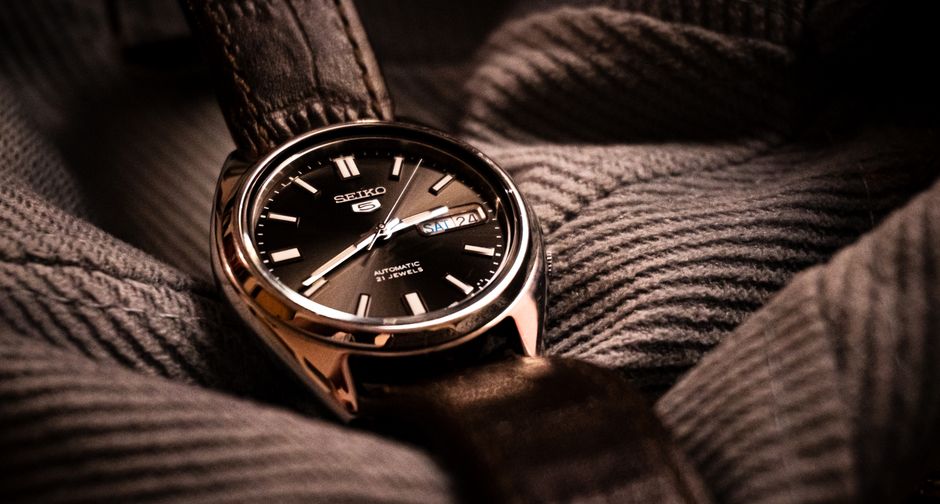
Brands such as Montblanc and Tissot are familiar names in the world of premium work accessories and watches. Their presence in a gift list should not replace the practical questions: What exactly is the material? What are the dimensions? How much does it weigh? What does the warranty cover, and who is authorized to provide service? A recognizable logo can be part of the appeal, but it does not answer those questions.
Warranty and authorized retailer logic
Before buying a premium bag or accessory, read the warranty language on the specific product page. Check the length of coverage, what counts as a defect, whether normal wear is excluded, and how to start a claim. Do not assume that every product from a brand has identical terms. Keep the receipt and any packaging or order confirmation you may need.
Buying from the brand or an authorized retailer can make proof of purchase and service questions easier to sort out. It may also help confirm that you are getting the stated product and the relevant warranty terms. If a third-party listing is much cheaper, check who the seller is, whether the product is new, and what support applies. A low price is less compelling if the warranty is unclear or the seller cannot explain returns.
“Authorized retailer” is not a magic phrase, either. Confirm the retailer through the brand’s own store locator or customer service when the purchase is substantial. Save a copy of the product description and warranty terms at the time you buy, especially if you are ordering a gift.
Personalization: initials, not a paragraph
Personalization can make a briefcase feel considered without making it fussy. For a professional gift, initials are usually the safer choice: discreet placement, a modest size and a simple typeface tend to age better than a long message. A date or full inscription may feel meaningful today and overly specific later.
Check whether personalization affects the return policy, production time or warranty service. Also confirm exactly where the initials will appear and how they will be rendered. A small embossing inside the bag can be more useful than a large mark on the outside, particularly if the recipient prefers understated accessories. When in doubt, leave it unpersonalized and include a gift receipt.
Don’t overlook the rest of the work setup
A briefcase is only one part of a daily work routine. If you are putting together a home-office gift, consider whether the recipient will actually use it alongside their existing equipment. A compact speaker may be more useful than another desk ornament, but setup matters: a person needs a compatible phone or computer, a reliable network and the patience to complete Wi-Fi setup. The Sonos app, for example, is part of the setup and control experience for Sonos products; it is worth checking the recipient is comfortable using an app-based system before gifting one.
This is the broader rule for useful gifts: everyday upgrades should fit the tools and habits someone already has. A bag that accommodates their laptop is a better bet than one that simply looks impressive. A speaker that works with their home network is better than a novelty gadget that requires a new routine.
So, is 13 L enough?
For a focused daily commute with a laptop, chargers, a notebook and a few essentials, yes—13 L can be enough. It can also be a smart size if you value a lighter carry and do not want your briefcase doubling as a storage unit. The capacity becomes limiting when you regularly add bulky extras, carry lunch and a water bottle, or need room for gym gear and travel clothes.
Use liters to narrow your search, then make the decision with dimensions, weight, layout and your own carry list. Check the warranty and retailer before spending at the premium end, and personalize with restraint. If the bag fits the items you actually use and makes the daily routine easier, 13 L is not a compromise. It is simply the right amount of bag.